

Travel Guide
Food and culture in Tanzania
More than 120 ethnic groups, a coast shaped by centuries of Indian Ocean trade, and food that is far more interesting than the safari-lodge buffet suggests.
Last updated 15.08.2026
What to eat
- Ugali. A stiff maize staple eaten with the hands alongside stewed meat, beans or greens. It is the everyday meal across most of the country.
- Nyama choma. Grilled meat, usually goat or beef, eaten slowly and socially.
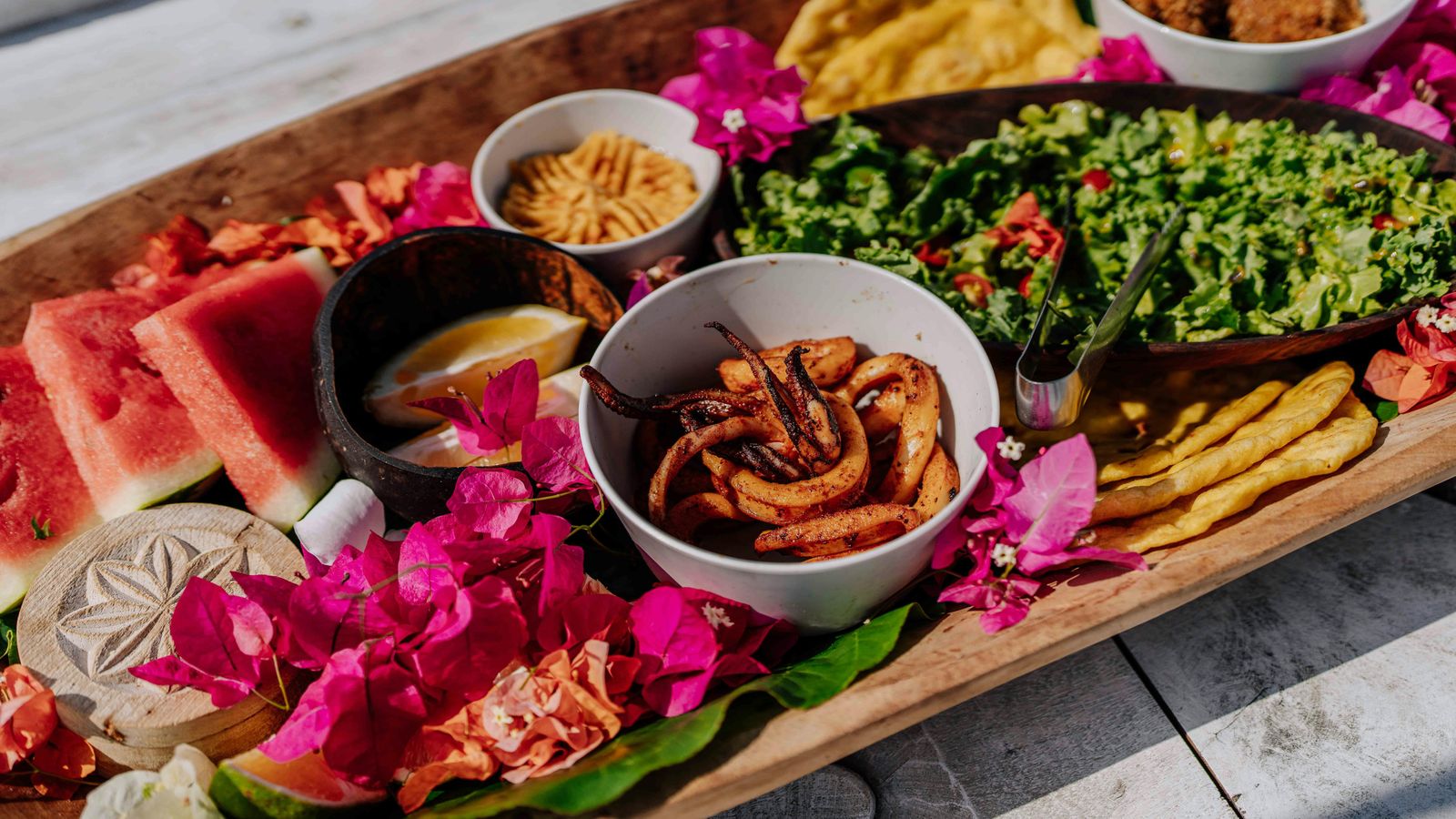
- Swahili coastal cooking. Coconut, tamarind, cardamom, cloves and chilli, with seafood. Quite different from the mainland and worth planning for.
- Chapati and mandazi. Flatbread and a lightly spiced fried dough, both excellent at breakfast.
- Chai. Tea with milk, often spiced, drunk throughout the day.
- Fruit. Mango, passion fruit, pineapple and small sweet bananas, most of it grown nearby.
Around Stone Town
Zanzibar is where the food is most distinctive. Spice tours explain why: cloves, nutmeg, cinnamon and black pepper shaped the island’s history and still grow there. A Swahili cooking class is one of the better half-days available anywhere in the country.
Cultural visits, done properly
Maasai, Chagga, Hadzabe and Datoga communities all receive visitors in the north. A good visit is arranged with the community, pays them directly, and involves conversation rather than performance. A poor one turns people into an exhibit.
If a cultural visit matters to you, say so when you enquire and we will arrange one that is worth both sides’ time.
A few courtesies
- Greetings matter. Jambo and karibu go a long way, and asante even further.
- Ask before photographing people. It is normal to be asked, and normal to be refused.
- Cover shoulders and knees in Stone Town and in villages, particularly on the coast.
- Tipping is customary for guides and camp staff. We suggest sensible amounts with your final documents so you are not guessing.
Ready when you are
Tell us roughly when you want to travel and what you would like to see. We take it from there.